Jim Corbett River Access Resort Official Website
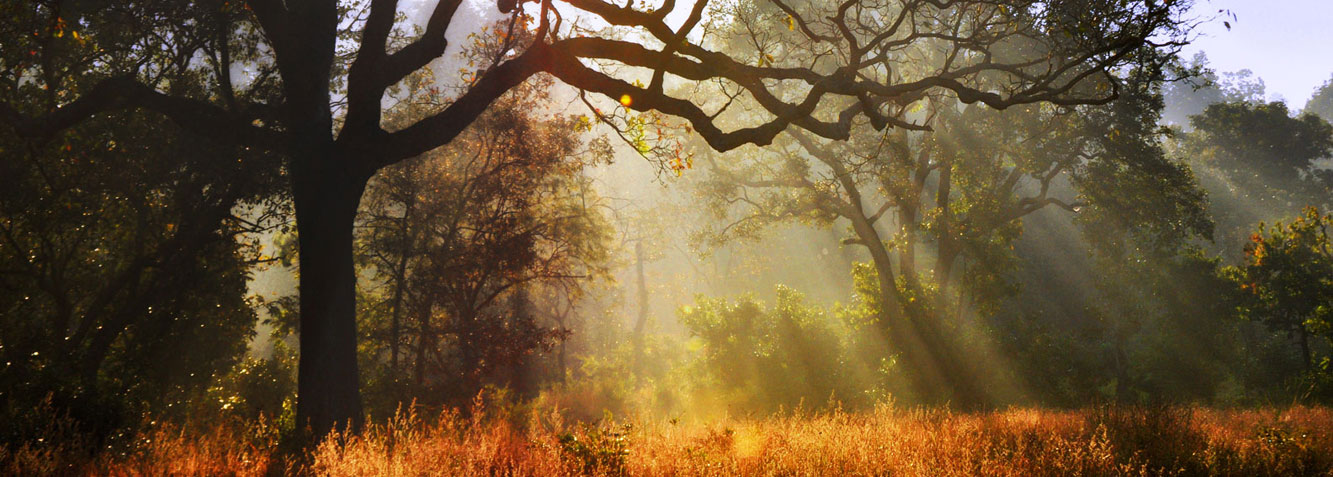
Welcome to world of wilderness by checking in at Best Resort in Jim Corbett by booking from Official Website, award winning river access resort overlooking the jungle and Kosi River. Corbett wild is amongst finest Jim Corbett Resort near Dhikala, Mailani and Dogadda Forest Range and Ramganga Reservoir Dhikala where you'll witness beauty of nature and enjoy in a landscape full of mango trees, flowers, litchi, Jamun, jackfruit and lemon trees other than and honey bee boxes, lemon grass and Giloy creepers. You'll wake up every day to the chirping of birds and sound of water. Surrounded by a lush green forest it is truly a heaven for travelers who are searching for perfect resort in Jim Corbett near Kosi River.
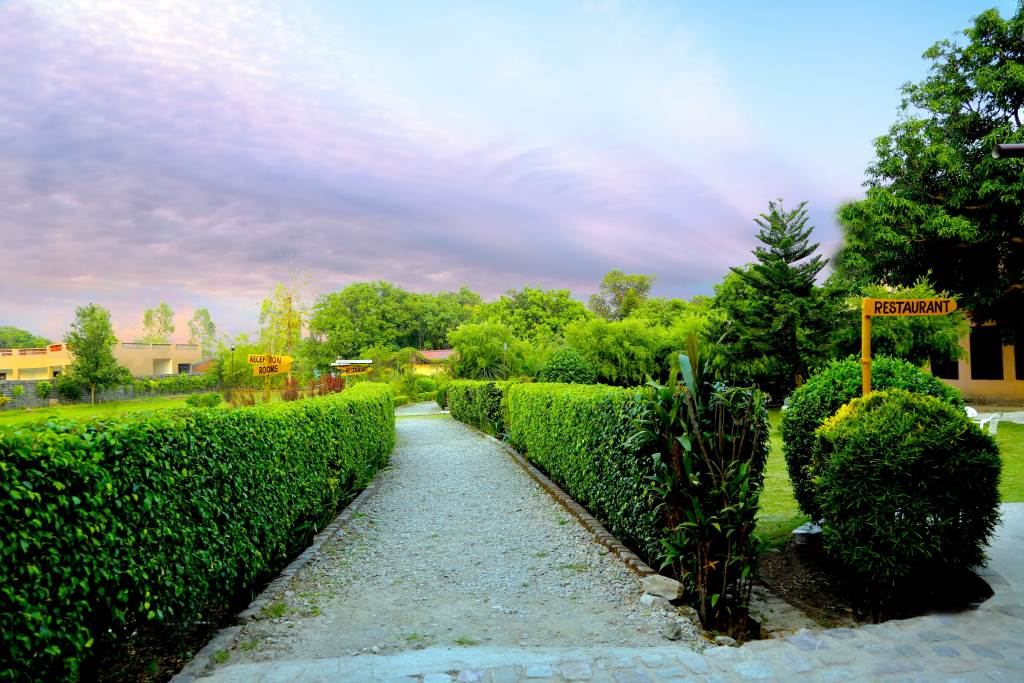
Jim Corbett River Access Resort is a unique indigenously styled eco-resort spread over four acres of grassland, bamboo thickets and generously canopied trees; adjoining river Kosi and forest makes delightful jungle ambience is located in Dikuli with just 5-15 minutes drive away distance from Bijrani, Garjia and Dhikala entry gates and 7.1 Km away from Jim Corbett National Park’s Bijrani - Amdanda gate and 250 meters from Kosi River and appx 10.9 km from Ramnagar Railway and Bus Station, this makes it an ideal base to explore the magnificent river, forest, wild life, tribal areas and village homes around Jim Corbett. Corbett wild is true Jim Corbett Corporate Resort because of serene and calm ambience for communion with nature and eco-friendly features. Resort’s imaginatively drawing inspired from accommodations and suits (Forest Rest Houses) available inside Jim Corbett National Park, while at the same time offering air conditioned cottage with power back-up, swimming pool, spa, walking trails and river access from cottage that are equipped with modern facilities.
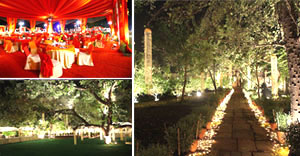
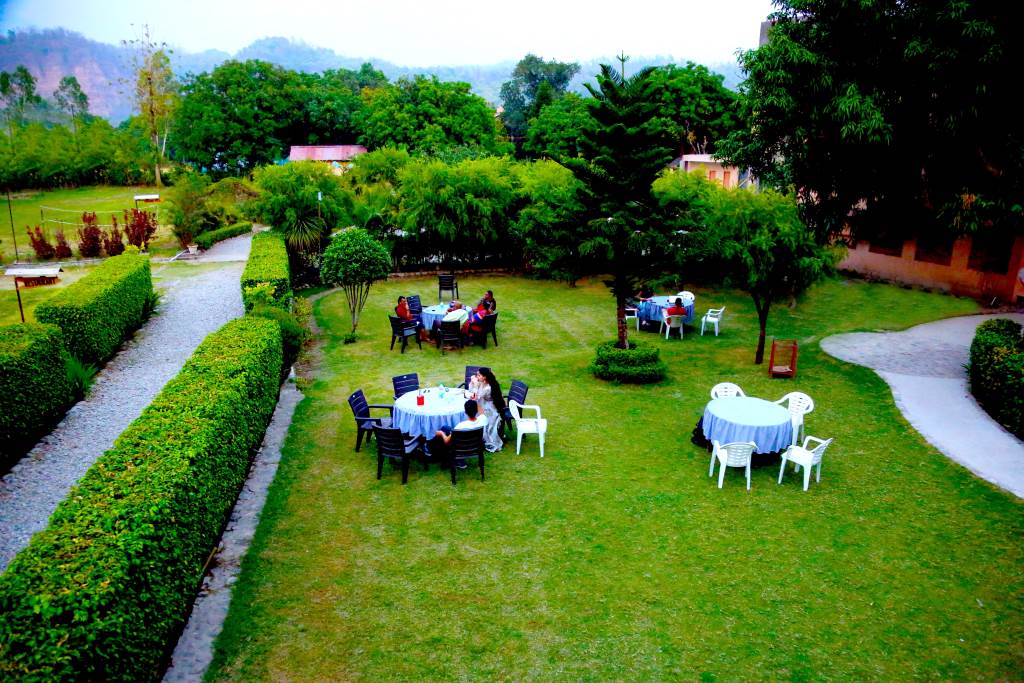
Banquet Hall (3500 sq ft-with capacity of 150-200 pax), lawn of appx 10,000 ft (up to 500-600 pax) with private parking space up to 100 vehicles make this Jim Corbett Family & Wedding Resort is best venue in Jim Corbett for Wedding, Family Functions, Conference, Seminar and other Family Events with. Cottages -Independent Rooms & Villa -02 Room Block has view of Orchard, Mountain and Jim Corbett Forest Cottages & Villas have separate entrances and paths that make it best Workation Resorts in Jim Corbett for Workation- Staycation during Corona-JN.1 Pandemics in Corbett National Park for travelers from Delhi, Noida, Gurgaon, and Ghaziabad with just 4-5 hours drive time. Cottages & Rooms in this Jim Corbett Dhikala Resort are airy and very tastefully decorated with plenty of daylight. The concept of this jim corbett women safe resort is to offer the ambience of Jungle living without compromising on modern amenities, comforts and luxury required by a contemporary traveler. This corporate resort in Corbett National Park beckons you to lose yourself in its wild comfort and to cherish the experience of a lifetime!
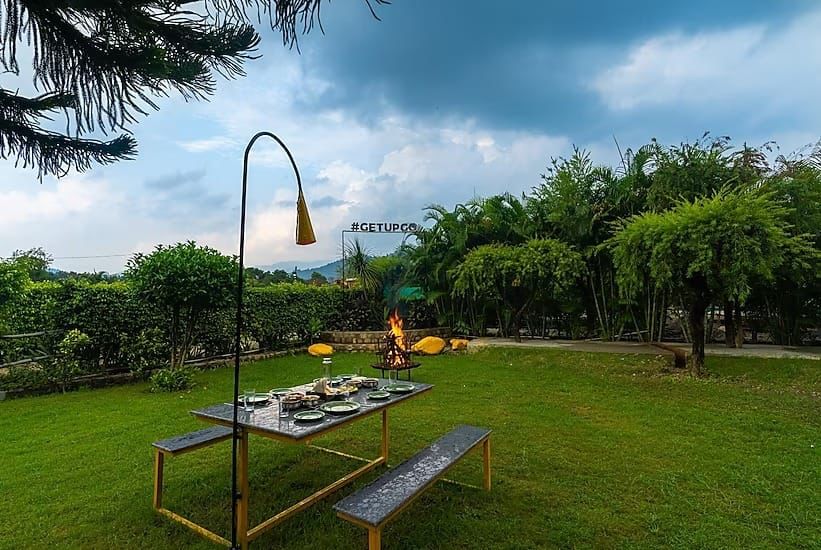
Jim Corbett Bijrani Garjiya Resort specializes in home styled food focusing largely on local produce, fruits and vegetables. Nutritionally balanced wholesome meals will help you detox your Mind, Body and Soul. You can enjoy litchis, mangoes and jackfruits from trees within resort during summer months. Excellent cooks and traditional local recipes are part of our repertoire that makes it popular amongst travelers staying in timeshare and club membership hotels close by are Club Mahindra, Taj etc. Pahadi Chicken Curry and Kumauni Raita is specialty, they can personalize taste to your satisfaction. We also entertain request for safari breakfast for those going for wildlife viewing, riverside picnic basket or an intimate private dinner in the outdoors.
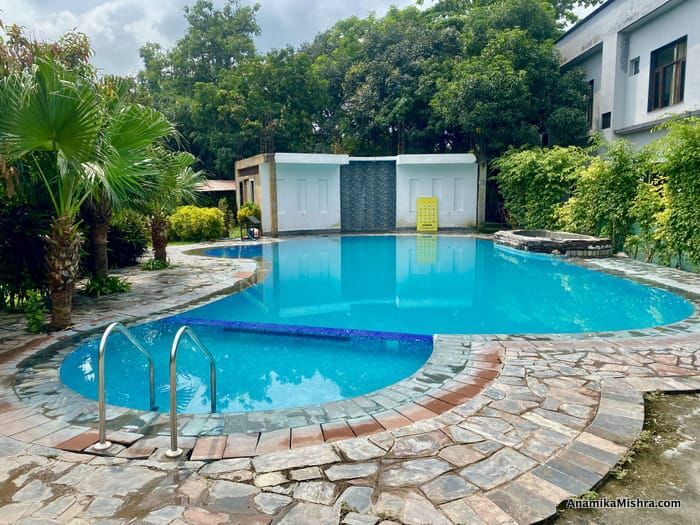
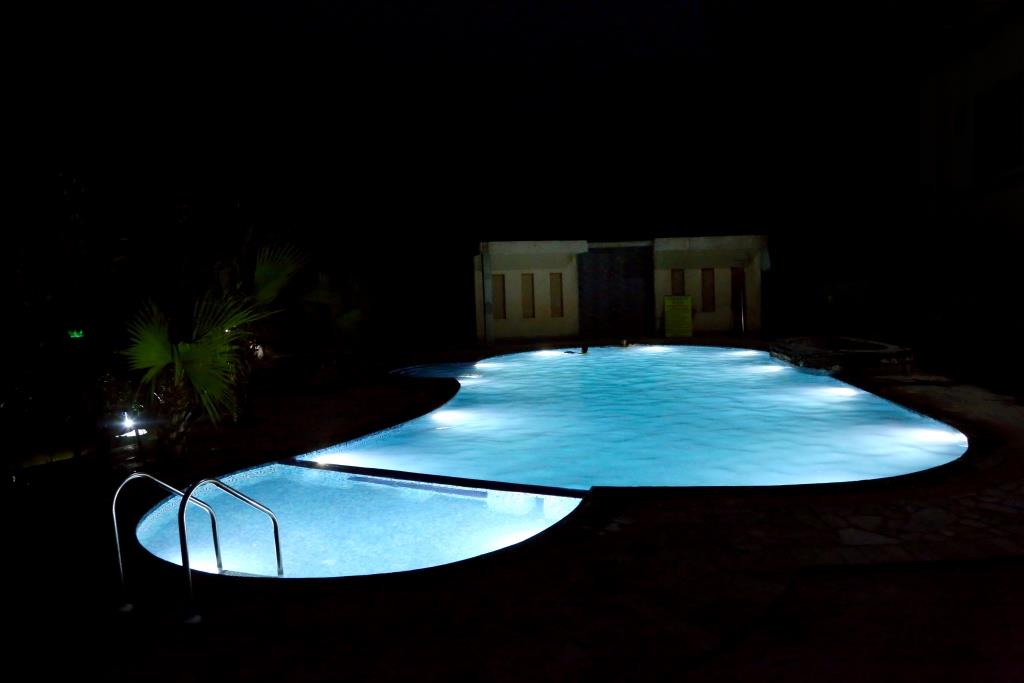
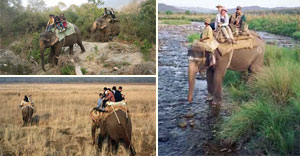
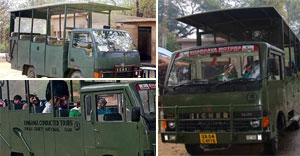
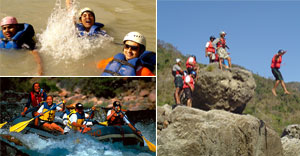
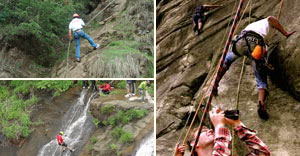
Enjoy barbeque and other cuisines at our service restaurant or get high tea near pool side lounge. Conference facilities, ample parking, power backup, travel desk and jeep safari booking services are among the other notable perks of staying at this Jim Corbett Jhirna Resort is fullest njoy a refreshing dip at our swimming pool. The pool is designed keeping modernity in mind and is an ideal place to chill out. Jim Corbett’s biggest activity set-up Devbhoomi Adventure is just 2 minutes walk-way, day visits to Nainital and Ranikhet can be arranged via Dhangarhi museum & Garjia temple • Safari and Activities • Swimming Pool • Free Parking • Pool Side Deck • Great Location walkway to Kosi River • Toiletry and Bath Towels • Housekeeping • Business Center & Banquet Hall • Restaurant • Wi-Fi Range • Outdoor Spaces for Children Play Area.
 Stay with meals